
Throb
THROB — the steady pulse. every other rhythm hangs from this clock.
Press play to listen along. The line being read lights up as you go.
Show full transcript
Loading transcript…
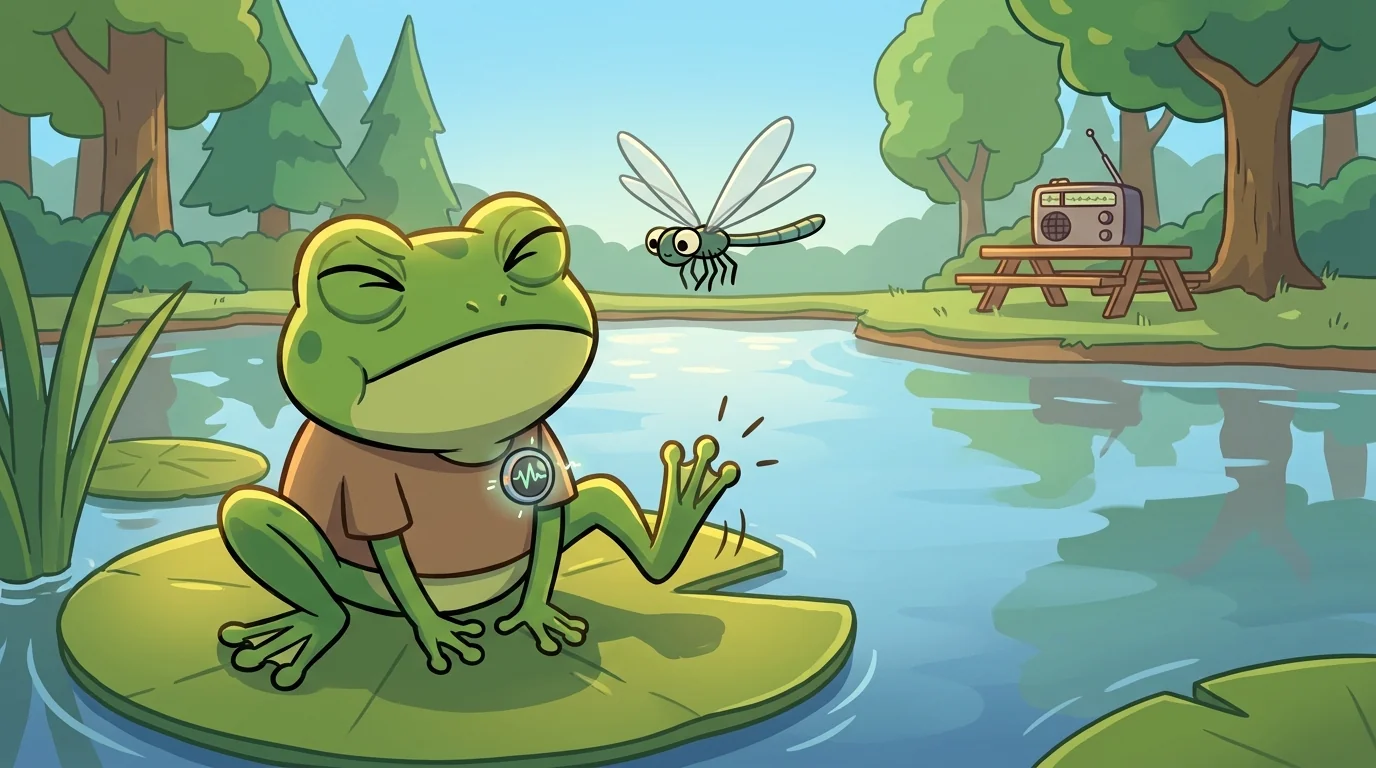
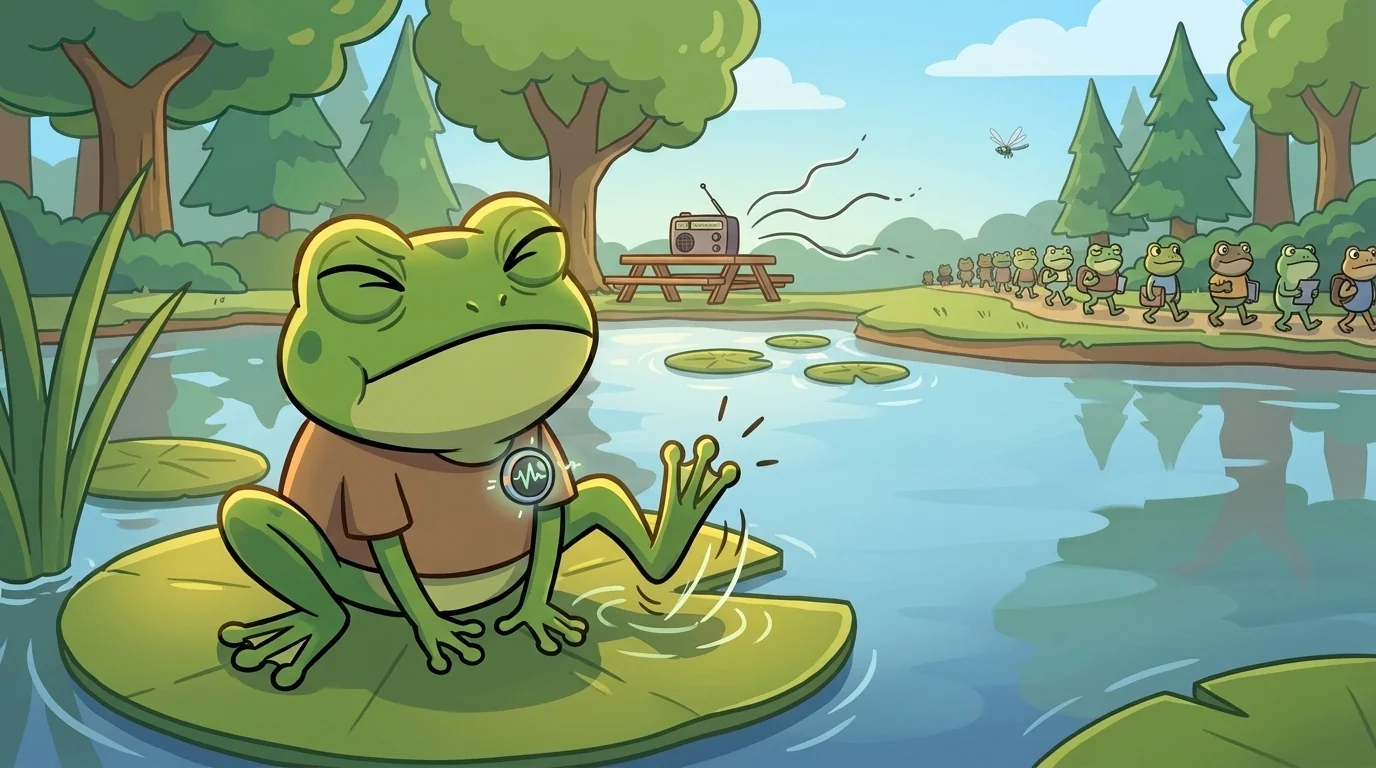
Throb sat on his lily pad at the edge of the pond, eyes shut, the morning sun warm on his green back. He was a small frog in a plain studio tunic, and one webbed foot was tapping — slow, even, unhurried. Tap. Tap. Tap. Tap. A dragonfly hovering nearby found itself bobbing along without meaning to.
A song drifted over the water from someone's radio on the far bank. It was a fun tune, bouncy and bright. Throb's eyes stayed closed at first. Then his foot stumbled. It slowed, sped up, hitched, tried to catch the drummer, and couldn't.
His face scrunched. He opened one eye.
"Uh oh," he murmured. He glanced down at the little glowing tracker pinned to his chest. It counted the beats going by. The drummer had started nice and even, but now the count was jittering — leaning fast, then dragging slow, then fast again. The whole song was tipping side to side like a wagon with one square wheel.
"They lost the clock," Throb whispered to the dragonfly. "Listen. It's all wobbling because there's no steady clock underneath it."
The dragonfly tilted its head.
Throb tapped his own foot again, firm and even, right through the wobble. Tap. Tap. Tap. Tap. "There," he said. "That's what they're missing. A beat you could set a whole song on top of and trust it not to fall."
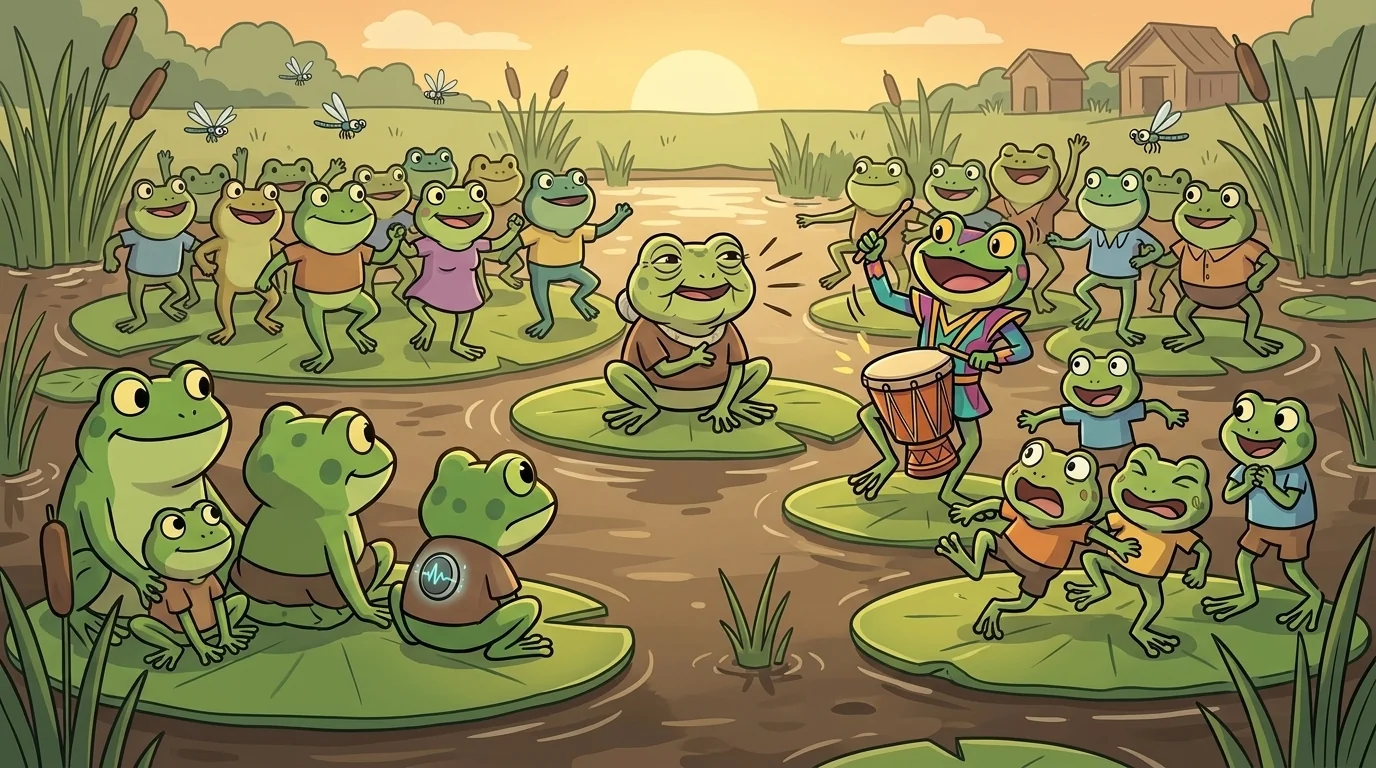
When Throb was small, he'd lived in a marsh where the whole family kept time for the village dances. His grandmother had the steadiest croak anyone had ever heard — you could hang a lantern on it. Every festival night, she sat at the front and gave the dancers her beat, slow and sure, and the whole crowd of muddy, happy villagers moved together because of it.
One night a fancy young musician came through with a flashy drum and a hundred clever tricks. He played rings around Throb's grandmother — fast rolls, sudden stops, little flourishes. The dancers loved it at first. Then they started tripping over each other. Then they stopped, confused, laughing nervously, waiting for a beat that never came back.
Throb's grandmother waited until the flashy drummer ran out of tricks. Then she leaned over and croaked her plain, even pulse, once, twice, three times. The dancers found their feet. The floor filled again.
"Fancy is fine," she told young Throb after, wiping her brow. "But fancy sits on top of steady. Take away the steady, and all the fancy in the world just falls in a heap." Throb had felt that land in his chest like a stone dropped in still water, and it never left him.
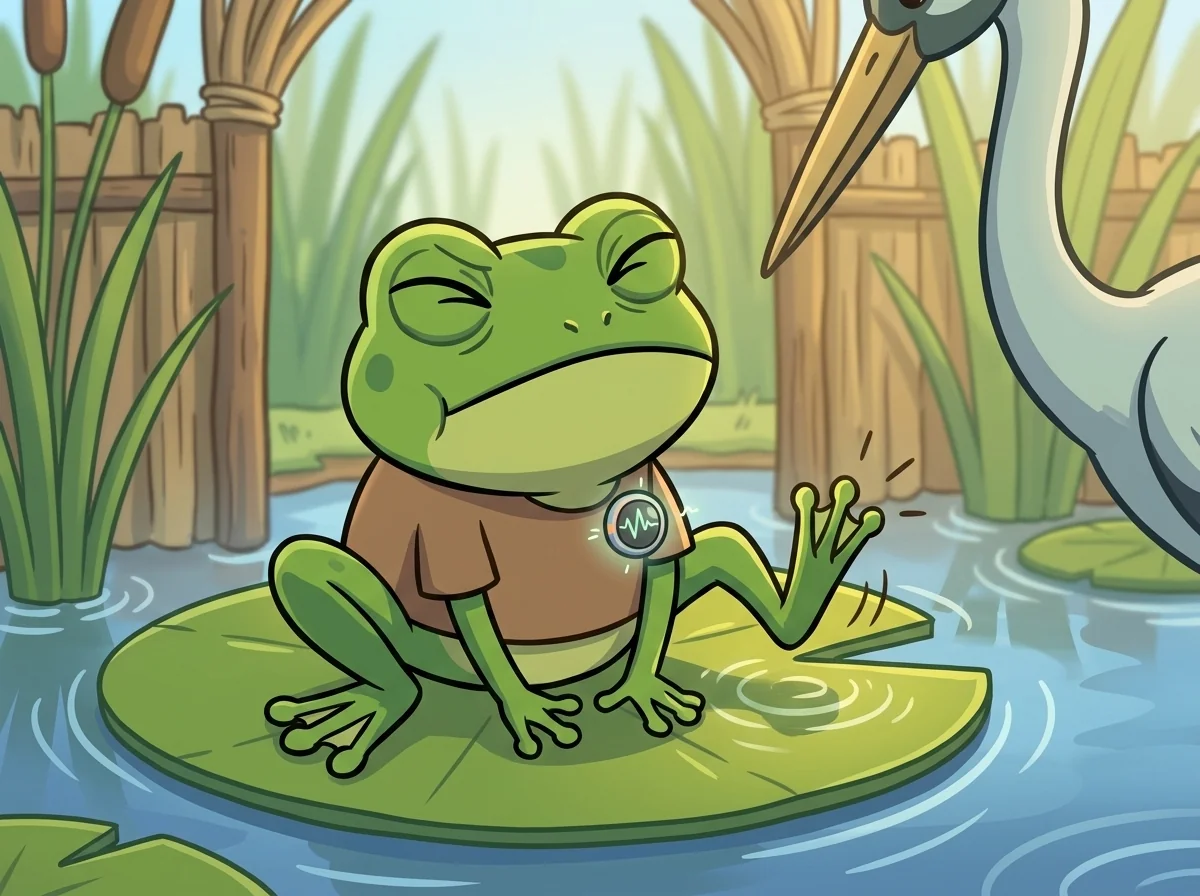
Throb hopped his way to the BeatForge academy when he was grown, tracker on his chest, his grandmother's lesson tucked behind his ribs. The head of the academy, a lanky crane named Meter, met him at the reed-gate.
"What is the pulse?" Meter asked.
Throb didn't even open his mouth to explain first. He just tapped his foot — slow, even, patient — and held Meter's eye until the crane's own long neck began, very slightly, to nod along.
"It's the clock underneath everything," Throb said then. "You feel it inside you. Every other rhythm in the song hangs off it. Fast or slow, simple or tricky — but always there, always steady."
Meter's nodding neck was answer enough. "Come in," the crane said. "The reeds are yours."
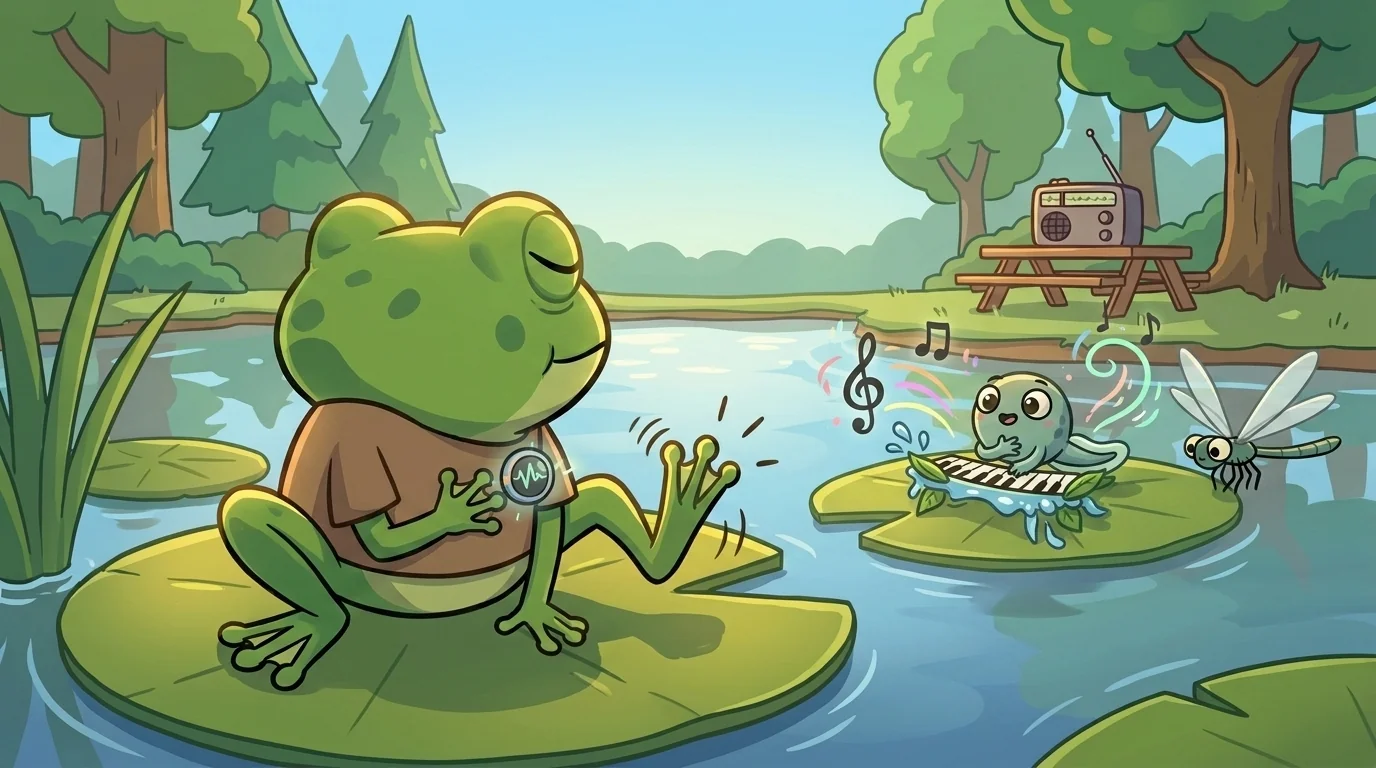
In his studio, Throb began every first class the same way. He'd have all his students shut their eyes, put a hand on their own chests, and just feel their heartbeats for a while.
"That," he'd say quietly, "is a pulse. Nobody taught it to you. It just keeps steady time all on its own. Music wants a clock like that underneath it."
Then he'd bring out a young student to try. That first morning it was a jittery little tadpole named Ripple, who wanted, more than anything, to play something impressive.
"Play me the fanciest thing you know," Throb said.
Ripple splashed out a wild burst — fast, clever, all over the place. It was exciting for about four seconds. Then it collapsed into a tangle, and Ripple's ears drooped.
"Not bad!" Throb said kindly. "But watch." He set his foot going — tap, tap, tap, tap — plain and even. "Now play your fancy thing again, but keep your ear on my foot the whole time. Don't chase me. Just let my clock hold you up."
Ripple tried again. This time the wild burst had somewhere to land. It still leaped and darted, but it never fell over, because underneath it all Throb's foot kept ticking, steady as a heartbeat.
Ripple stopped, wide-eyed. "It didn't crash!"
"It didn't crash," Throb agreed, "because you built it on the clock instead of on jello." He grinned. "Your friend Snap can chop the beat into a dozen fast little pieces — but she can only split a beat that's actually there. Hammer can smack certain beats hard to make you dance — but he has to know where the beats are first. Tilt can play sneaky, against the beat, to surprise you — but you can't play against something that isn't underneath you. It all comes back to the clock."
At the end of the lesson, Ripple asked, "Is keeping the clock hard?"
Throb thought about it, foot still ticking softly. "It's not hard," he said. "It's just steady. That's the whole trick — you don't try to be steady, you feel steady, and then you don't let go."
He closed his eyes again on his lily pad as the students filed out. The wobbly song was still drifting over the water, but he let it go and found his own beat once more. Tap. Tap. Tap. Tap. It felt solid under him, like standing on firm ground after a long time on a rocking boat — calm, sure, and settled all the way down to his webbed toes.
The BeatForge ensemble
Throb is part of BeatForge's distributed-narrative cast. Each character embodies a different curricular primitive; together they teach the full subject.
-

Snap
Subdivision — splitting a beat into equal smaller parts (eighths, sixteenths, triplets)
-

Hammer
Accent — emphasis on specific beats (the downbeat, the backbeat, polyrhythmic emphasis)
-
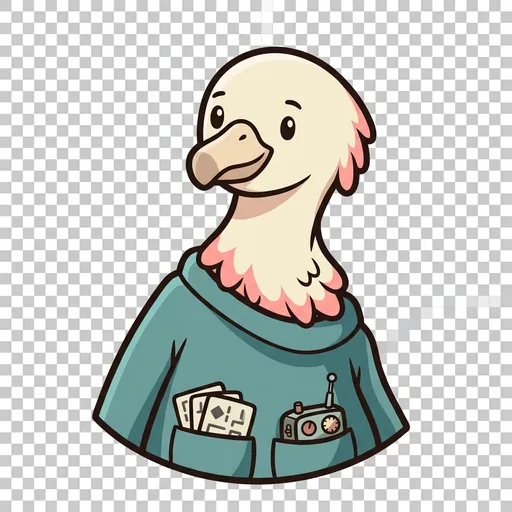
Tilt
Syncopation — placing weight off the expected beat to create pull and forward motion
-

Spin
Groove — the looping pattern that emerges when pulse + subdivision + accent + syncopation cohere; the thing that makes a beat feel like a particular genre
-
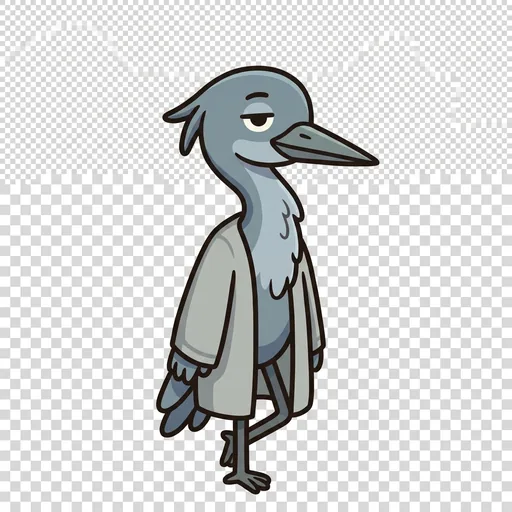
Lull
The rest — the beat you leave empty on purpose; silence counted as part of the music, so the next sound lands bigger
-

Crest
Dynamics — how loud or soft the music is, swelling louder and easing softer to give a song its waves
-

Rush
Tempo — how fast the pulse runs, and speeding up or slowing down to steer the whole mood of a song
-

Volley
Call-and-response — one player calls a phrase and the others answer it back; music as a conversation traded around a circle
-

Flurry
The fill — the quick burst of drum notes that carries a song across the turn from one section into the next
-
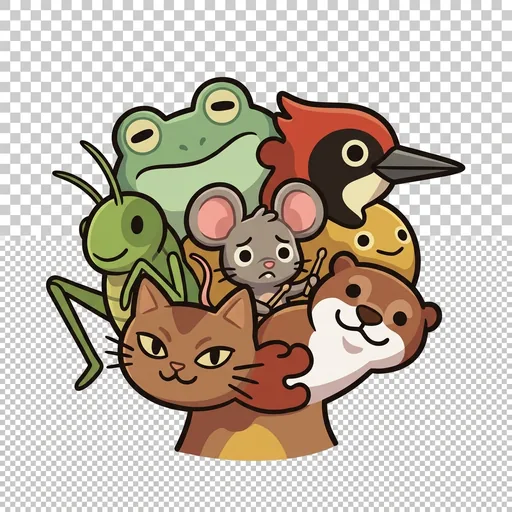
The Jam
The whole rhythm section playing together — how pulse, subdivision, accent, and syncopation lock into one groove that lifts everybody up at once