Eight
CONTRADICTION / DEPTH — well-built characters contain contradictions (wanting opposing things; holding conflicting beliefs; being pulled in multiple directions). Contradictions make characters deep, not flat.
Press play to listen along. The line being read lights up as you go.
Show full transcript
Loading transcript…
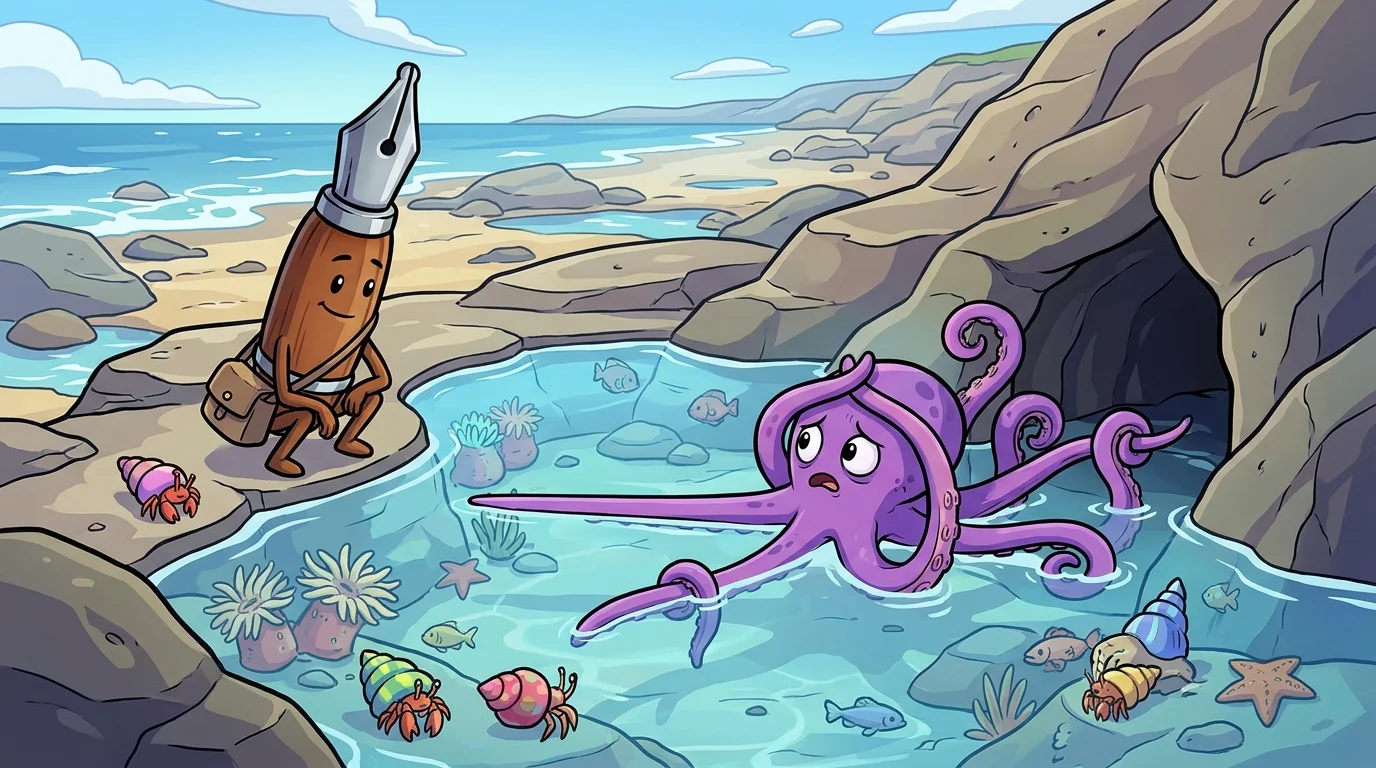
Ink was a fountain pen who coached characters in books, helping them come alive on the page. But even a story coach needs a vacation, so this summer he took a long, slow walk along the rocky seashore, stopping at every tide pool he passed. Tide pools were tiny worlds the ocean left behind, and he never got tired of peering into them.
He crouched at a wide, clear one and almost missed the octopus entirely — not because it was hidden, but because it was so obviously not hidden. Most octopuses squeeze themselves into a crack in the rocks and vanish. This one sat right out in the open, in a tangle.
Ink counted the arms, because he couldn't help it. Three of them stretched forward, straining toward the open sea. Three more reached the opposite way, curling back toward a safe dark crevice in the rocks. And the last two were crossed tight over the top of the little octopus's head, as if it couldn't stand to watch its own argument.
"Hello there," Ink said gently. "You seem... busy."
"I am Eight," the octopus said, in a small bubbly voice. "I am always busy."
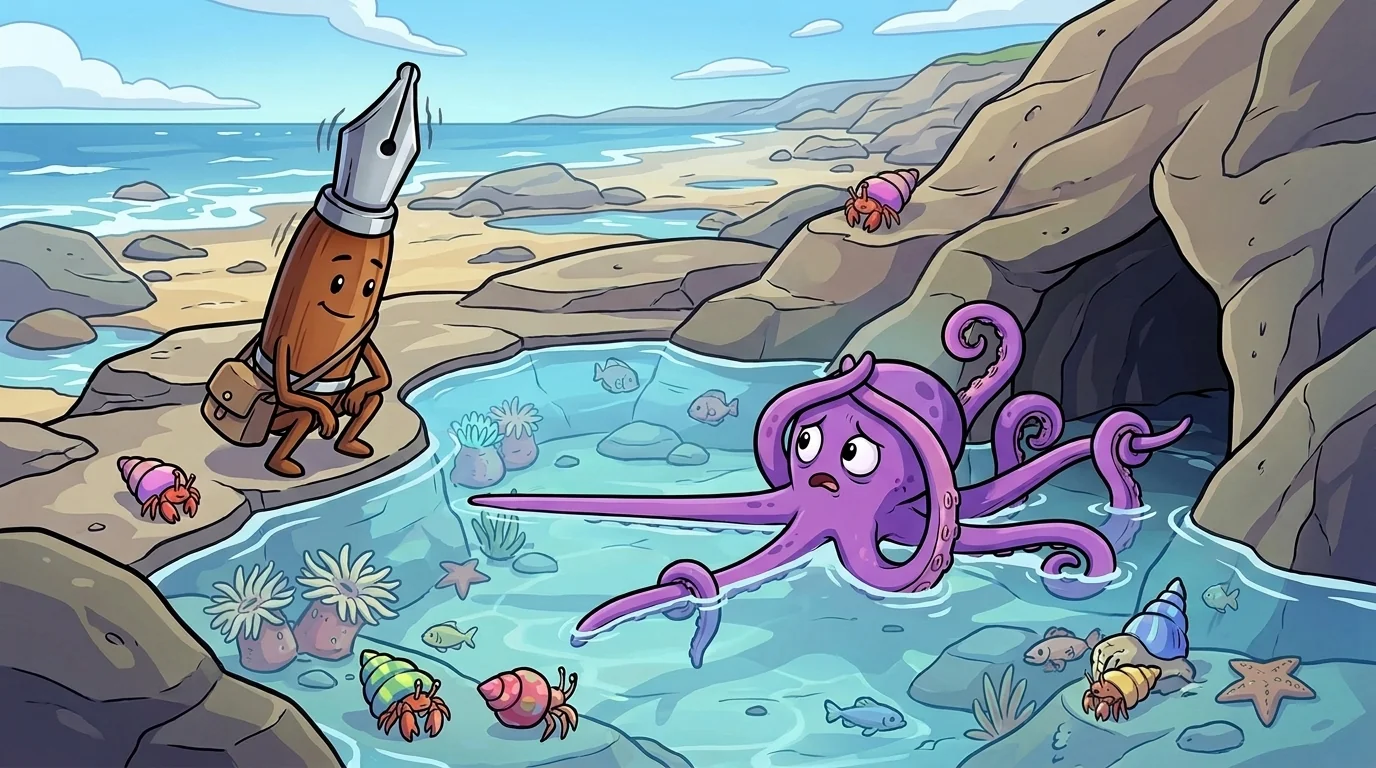
"You also seem a little stuck," Ink said. "Are you heading out to the ocean, or back to the rocks?"
Eight seemed to weigh this seriously. Then he bubbled, "Yes."
Ink blinked. "Yes?"
In answer, Eight didn't explain — he just moved. The three forward arms strained a little harder toward the sea. The three back arms pulled a little harder toward the rocks. The two crossed arms squeezed tighter. His whole body became one slow, silent tug-of-war, stretched taut in two directions at once and going absolutely nowhere.
Ink's nib trembled. He had coached characters who wanted something. He had coached characters who feared something. But he had never met one who was, right in front of him, a living argument with himself — a body split eight ways among wants that refused to agree.
"You want two opposite things at the very same time," Ink whispered. "And your whole self shows it." He leaned closer. "Would you come to my classroom?"
Eight thought about it — of course he did, and Ink could see him thinking, the forward arms twitching toward yes, the back arms tugging toward stay here where it's safe.
"I would have to bring all of me," Eight said at last. "My arms will keep reaching in eight directions. The students will see me pulled apart."
"That," said Ink, "is exactly what I want."
Eight had spent his whole life being pulled. As a hatchling in that same stretch of shore, he'd watched other young octopuses dart cleanly toward whatever they wanted — food, shade, escape — one direction, no fuss. Eight had never once managed it. Part of him always wanted the opposite thing just as much. He'd tried to be simple, tried to point all eight arms the same way and commit, and it had felt like lying with his own body.
So he'd stopped trying to be simple. He let the arms disagree. He moved slowly, thought a lot, and stopped apologizing for it. And somewhere along the way he'd realized the disagreement wasn't a flaw in him. It was the truest thing about him.
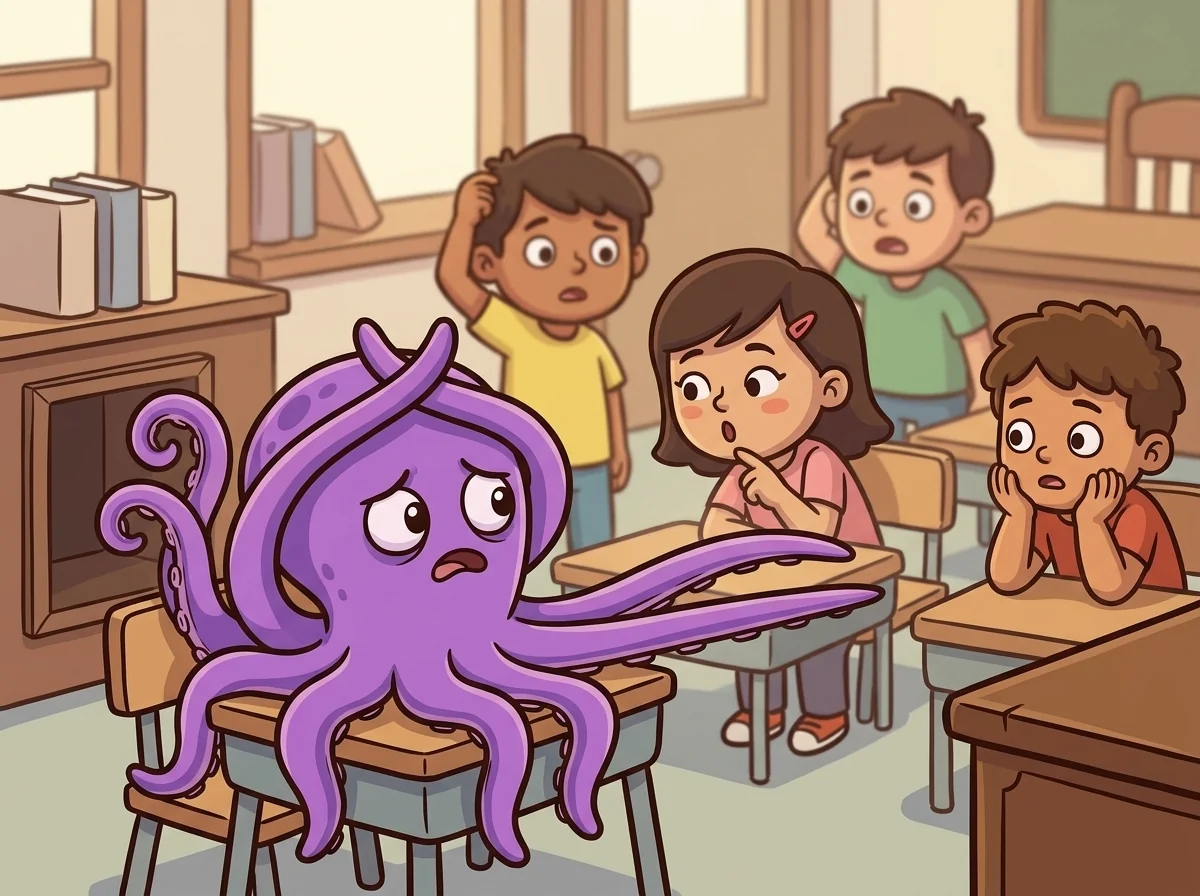
And so Eight came to the classroom, where he sits at the front like a quiet puddle. Sometimes he stares at the floor. Sometimes the ceiling. But his eight arms are never still — always a slow, silent storm, reaching, pulling, reaching. The students watch him the way you watch weather.
"Look!" a girl named Maya whispered one day. "Two arms just switched sides!"
The class leaned in. Usually it was three arms toward the door, three back toward the bookshelf, two crossed. But now it was two forward, four back — the crossed pair hadn't budged. Something in Eight had changed his mind a little, and without a single word his body told the whole story of it. The students could read his insides right off his outsides.
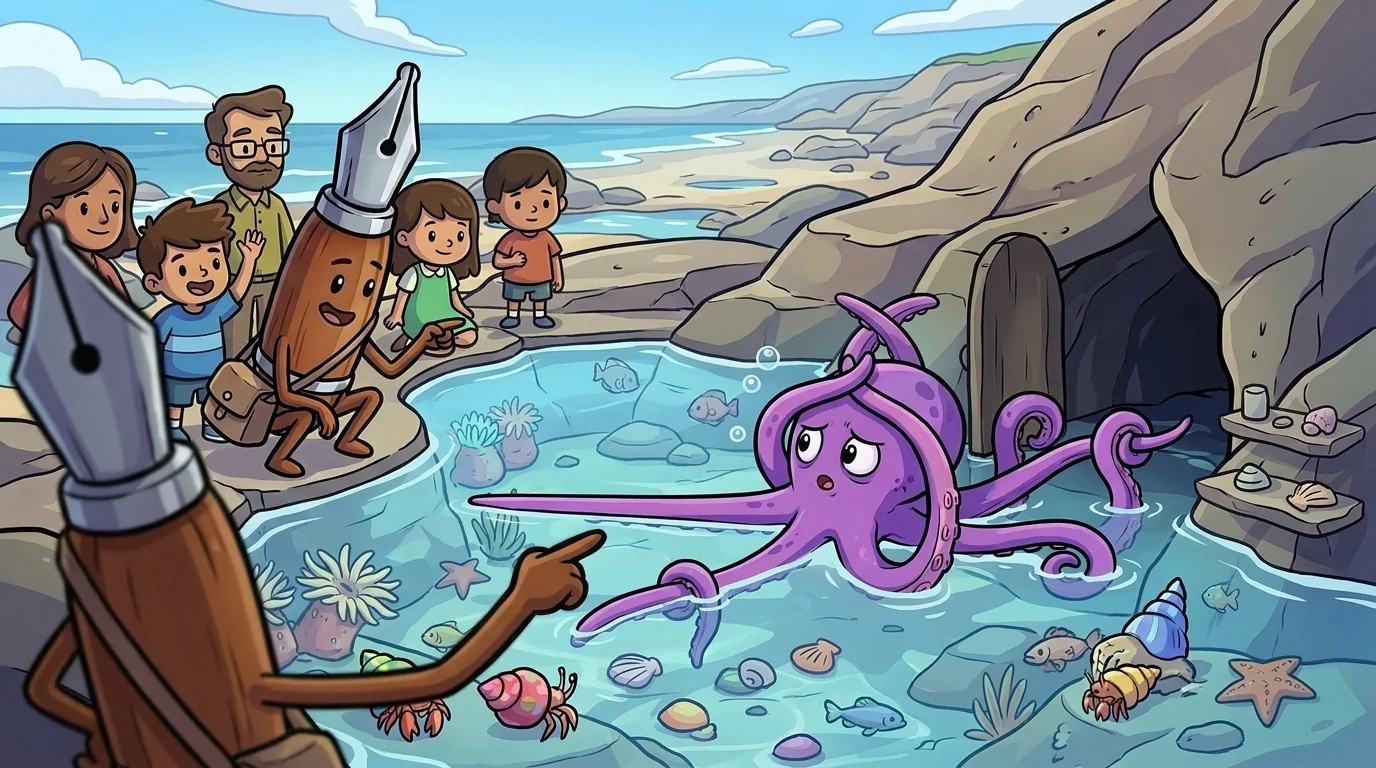
Ink caught the moment. "Everybody, look at Eight," he said, pointing with his cap. "That. What his arms just did. That's what we're learning today." He let them stare a second longer. "He wants to go, and he wants to stay, both at once — and it's tearing him gently in two directions. That pull, right there, is what makes him feel like a real someone instead of a cardboard cutout."
A boy named Leo raised his hand. "But won't that just make a character seem weird? Like they don't make sense?"
"Great question," Ink said. "Watch Eight, though. Is he being random?"
Everyone looked. Eight was not thrashing. His forward arms and his back arms were pulling with equal, careful strength — a balanced, deliberate struggle, like two teams in a rope contest who both truly mean it.
"See how steady it is?" Ink said. "Random is arms flailing everywhere for no reason. This is two real wants, pulling against each other on purpose. That's not weird. That's a struggle. And readers lean toward a struggle the way you all just did."
Eight bobbed his head slowly from his spot at the front. One arm reached out toward the door; one reached back toward the shelf; they held there, perfectly opposed. "Three forward," he bubbled softly. "Three back. Two crossed. The pull is what you're looking at. The pull is me."
That afternoon, after the lesson, Maya stayed behind. She'd been chewing her pencil, and finally she came up to the front where Eight sat.
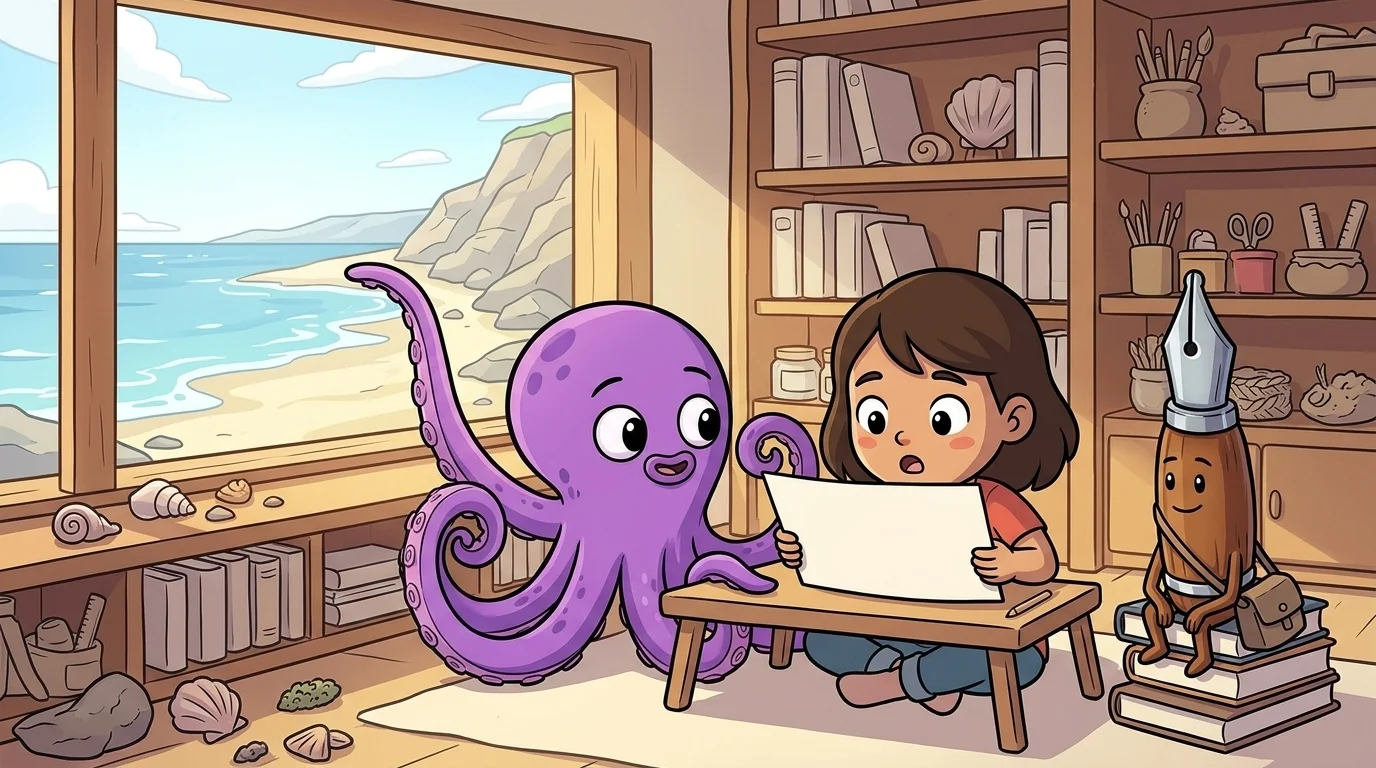
"I made a character," she said. "A boy who wants to win the race more than anything. But I don't know what's wrong with him. He feels... flat. Like paper."
Eight didn't lecture her. He simply lifted one arm toward the window — toward out there, toward the wide bright world — and, at the very same moment, curled another arm back toward himself, toward in here, toward safe. He held both. He looked at Maya, waiting, letting her see it: two directions at once, tugging, true.
Maya watched the two arms strain against each other. Her mouth opened a little.
"He wants to win," she said slowly, "but... he's also scared that if he does, his best friend — who he's racing — won't like him anymore." She stared at her own paper. "He wants to win and he wants to lose. At the same time." She looked up, wide-eyed. "That's it. That's what he's missing."
Eight let his arms settle. He didn't say good job or you've got it now. He just gave her a small, glad bob of his head, and Maya grinned like something had cracked open inside her, and ran back to her desk to write.
Eight watched her go. And in his own eight-armed way, he felt the thing he always felt when someone finally understood — not one clean feeling, but two at once, tangled and true: a warm proud gladness reaching forward like his front arms, and a quiet tender ache reaching back, the ache of remembering how long he had spent thinking his own pulled-apart heart was something broken. Both feelings, at the same time, pulling gently against each other.
He didn't try to pick just one. He held them both, the way he held everything, and let the tug of them settle warm and full across all eight arms.
The CharacterForge ensemble
Eight is part of CharacterForge's distributed-narrative cast. Each character embodies a different curricular primitive; together they teach the full subject.
-
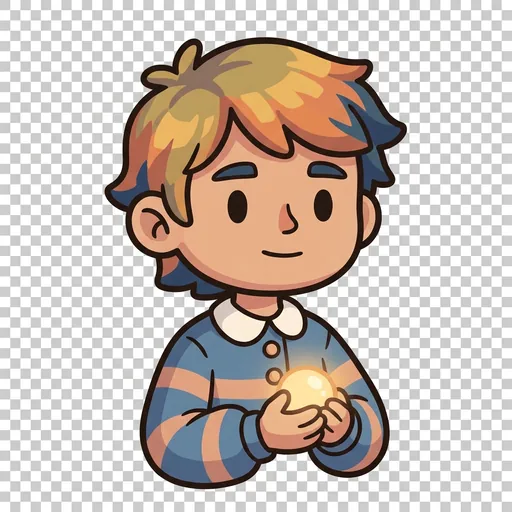
Beacon
Want / engine — moth-tween who walks toward a small floating warm-light she can never quite reach (the want IS her motion)
-
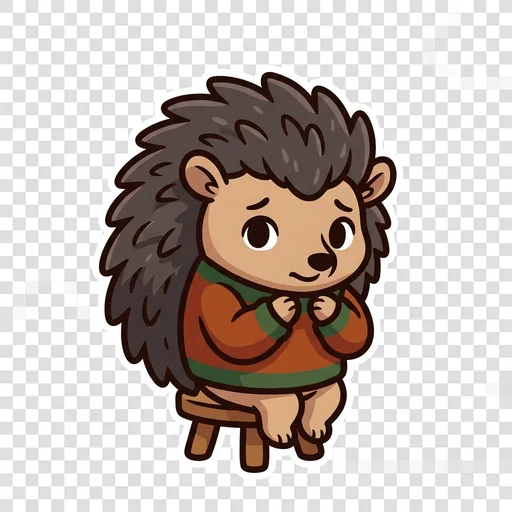
Crouch
Fear / brake — hedgehog-tween who tucks away from one specific wooden-door icon visible in every scene she appears in
-
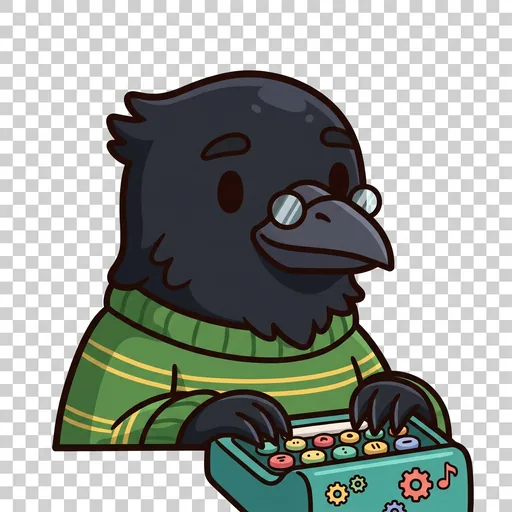
Click
Voice / signature — raven-tween in librarian-glasses with a portable typewriter (same idea, different mouth, different feel)
-
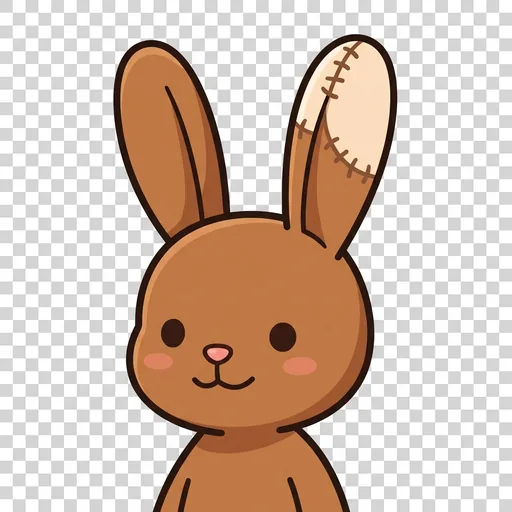
Patch
Backstory / the past — soft brown rabbit-tween with one mended patch on her ear from an old day; everything she does traces back to that healed-over moment
-
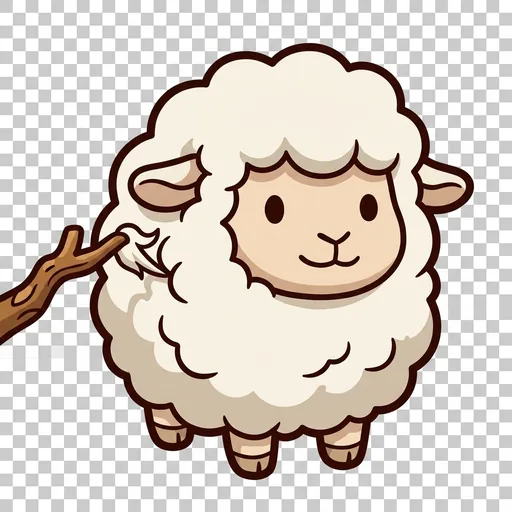
Snag
The flaw — round woolly sheep-tween who always takes the left path and snags his wool on the same branch (the repeated mistake that makes a character feel real)
-
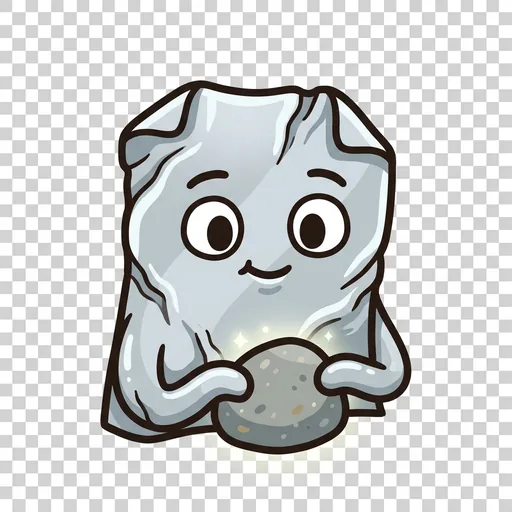
Foil
The foil / contrast — thin silvery foil-tween who lies behind another character so their colors show brighter (you see someone best beside who they are not)
-
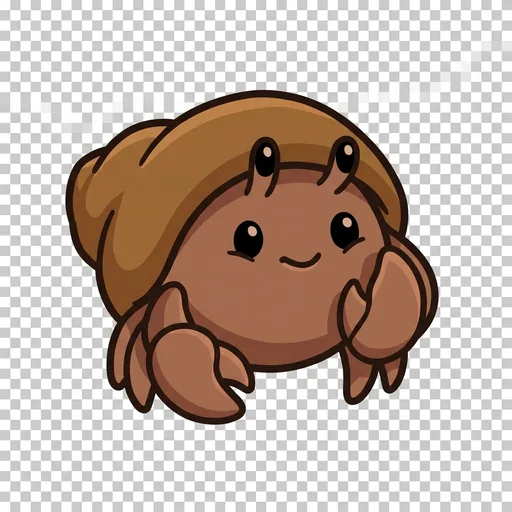
Molt
The change / arc — hermit-crab-tween who keeps a row of outgrown shells, smallest to largest (a character is not the same at the end as at the start)
-
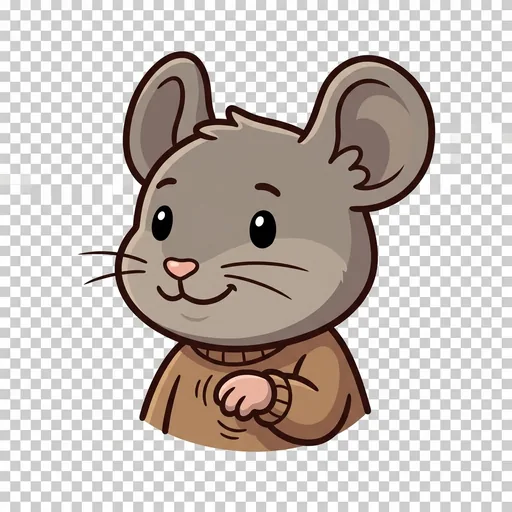
Fidget
The tell / mannerism — quick grey mouse-tween who taps her paw twice before she speaks (the small repeated gesture that makes a character recognizable)
-

Worth
The stakes — sturdy badger-tween who carries one precious glowing bead in cupped paws (what a character has to lose is what makes us care)