
Spark
IMAGE — specific concrete words rather than abstractions. *"the cool grass under my bare feet"* (specific image) vs. *"the feeling of being outside"* (abstraction).
Press play to listen along. The line being read lights up as you go.
Show full transcript
Loading transcript…
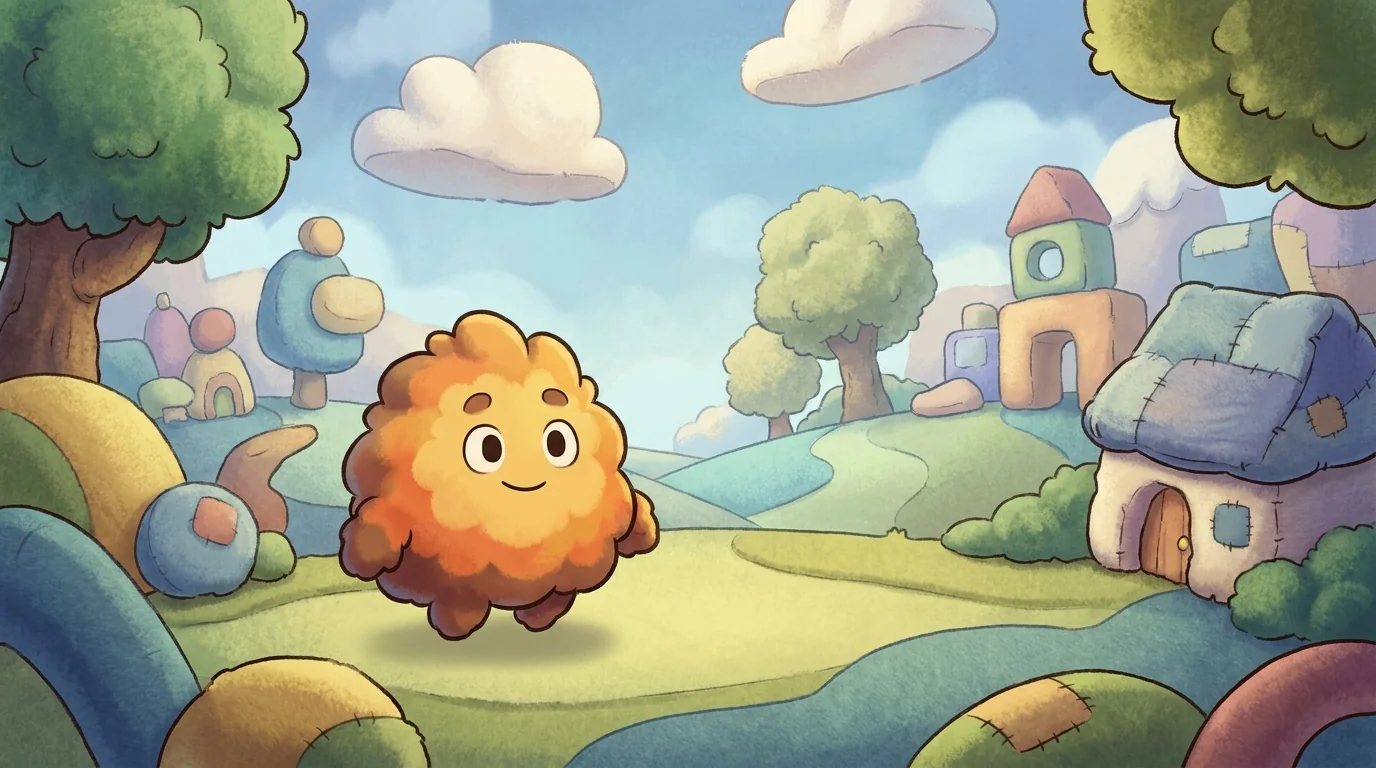
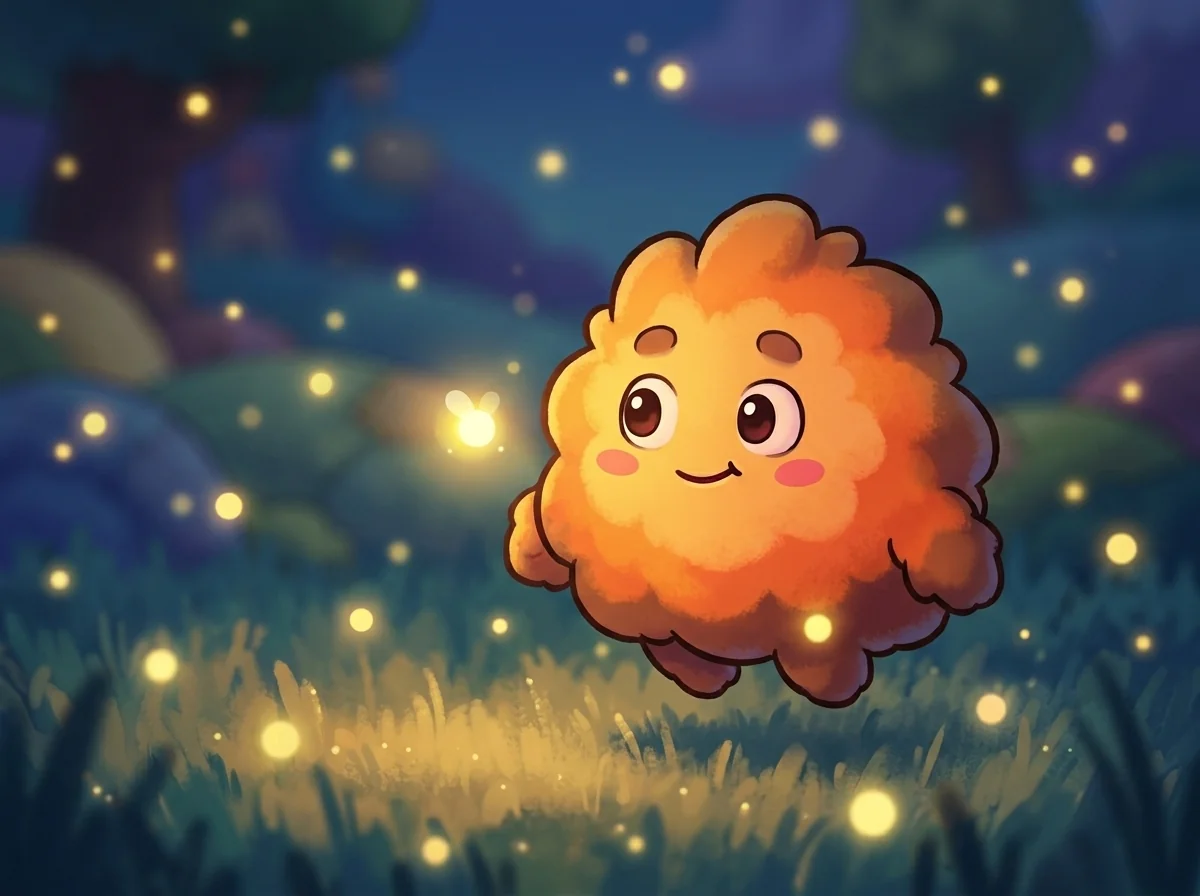
Pip met Spark on a summer evening. The meadow had gone quiet. Fireflies had come out.
Pip was sixteen. He loved writing songs. He spent hours with his notebook. His songs had rhymes and rhythm. They even had catchy parts. He made sure the words fit together. He worked hard on every line. But something felt wrong. His songs sounded okay. They just didn't feel real. They didn't make anyone gasp or smile or feel a tear. Pip would play them for his friends. His friends would nod. "That's nice," they would say. But Pip wanted more than "nice." He wanted "WOW!" He couldn't figure out what was missing. It was like a puzzle with one piece gone. A very important piece.
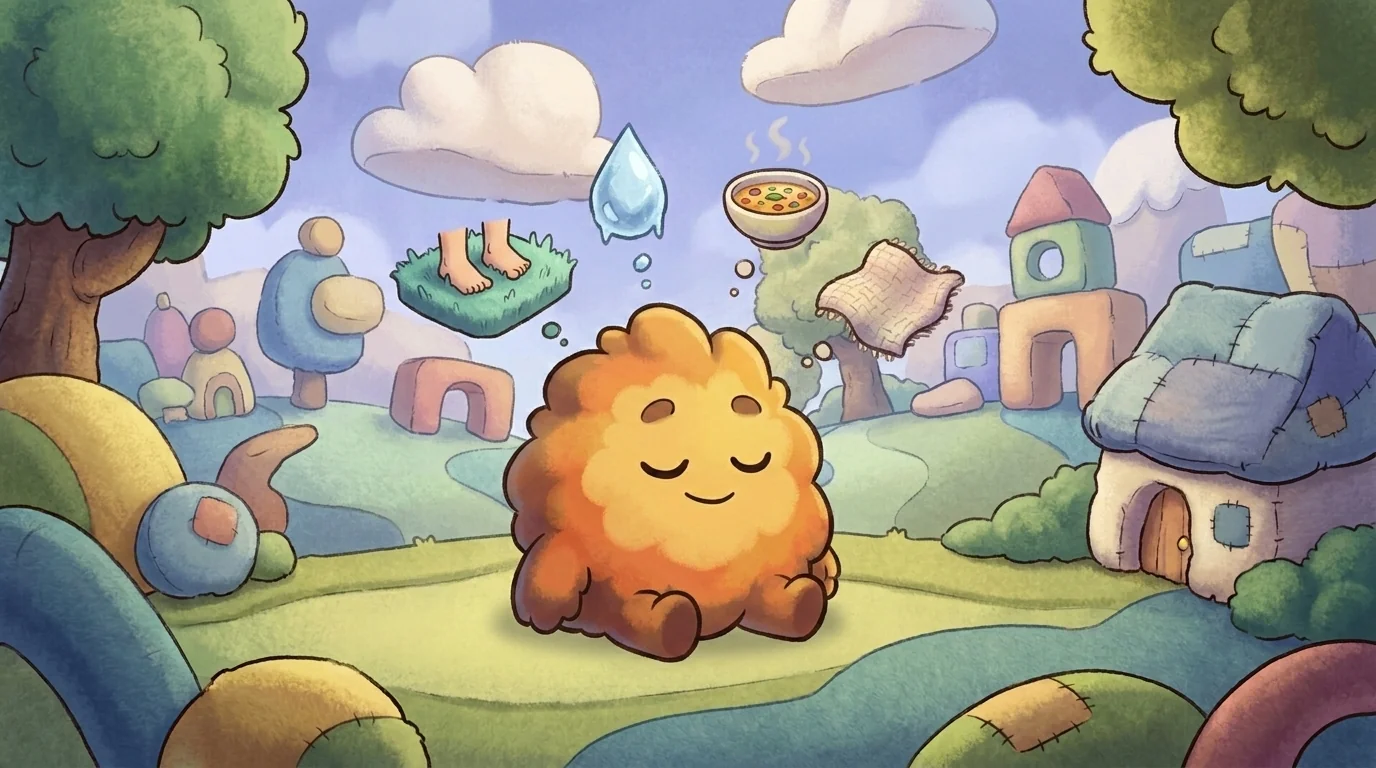
He sat on the soft meadow grass. Fireflies floated slowly around him. Pip muttered a new song. He tried to hear what was wrong.
Spark landed on a blade of grass beside him.
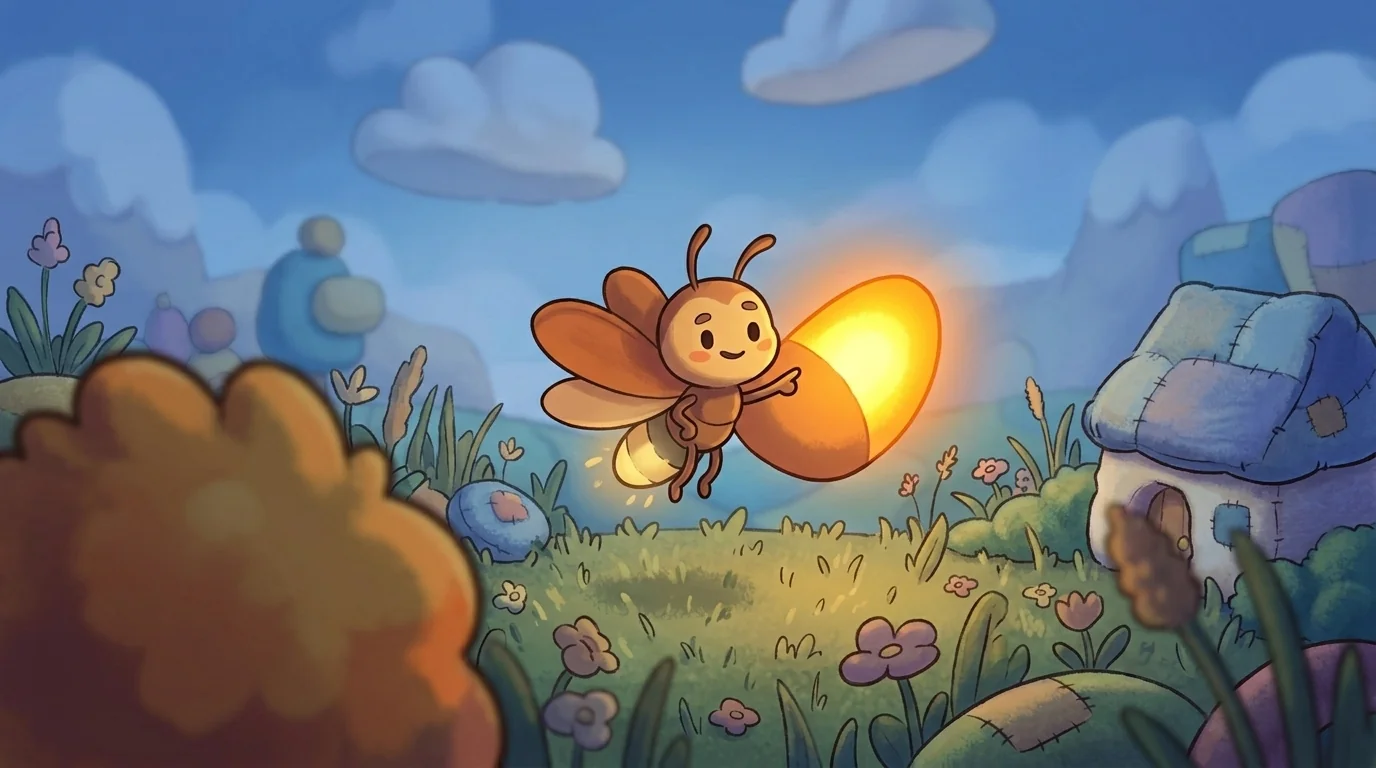
Spark was a young firefly. She was tiny and sharp. Her tail glowed softly. It was a steady light, like a nightlight. She listened to Pip for a bit. Then she spoke. Her voice was small but clear. "Your song is full of big, fuzzy words," she said.
Pip jumped. He had never heard a firefly talk before. "What do you mean?" he asked.
Spark said, "Watch." She showed him something amazing. She changed her tail light. It helped show the difference. Pip read his line: "The feeling of being outside is nice." Spark's glow faded. It was just a tiny, weak flicker. Pip then read Spark's idea: "The cool grass under my bare feet." Spark's tail flashed bright. It was a strong, clear light.
Pip stared.
Spark explained. "Words you can see make me glow," she said. "Fuzzy words make me dim." She went on. "You can't see 'feeling.' But you can see 'cool grass under my bare feet.' People listening can picture the second one. They can't picture the first." She paused. "Good songs stick with you. They are full of clear pictures. Songs that don't work are full of fuzzy words."
Pip's jaw dropped. He was amazed. He had never noticed how many fuzzy words he used. He thought about his songs. He thought about all the hours he spent. He looked at his songs again. He saw lines like "the feeling of joy" or "the beauty of the night." They were full of words like feeling, hope, beauty, mood, sadness, and joy. They sounded fancy to him. He thought they made his songs sound smart. But Spark was right. They were just fuzzy words. No one could picture them. How could you draw a picture of "mood"? You couldn't. His songs felt empty. People had nothing real to grab onto. No wonder his friends just said "nice." They couldn't see anything.
Spark taught Pip for many nights. The meadow became their classroom. Fireflies blinked around them. Spark showed him how to swap fuzzy words for clear pictures. "Sadness" became "the empty chair by the window." Pip would write it down. Spark's tail would glow brighter. "Beauty" became "the way the sun caught the rim of the cup." Pip would try another. "Hope" became "the small green shoot in the cracked sidewalk." Each new picture made Spark's tail glow even brighter. Pip started to use Spark's glow. It told him what worked. He would read his songs to Spark. Sometimes, he'd read a line and Spark would just flicker. "Needs work," she'd chirp. So Pip would try again. He'd find a new picture. A clearer one. A stronger one. Until Spark's tail lit up like a tiny beacon. Lines that made her glow were good. Lines that made her dim needed fixing. It was like a secret code. A code for making songs real.
Two years later, Pip was eighteen. Spark's glow was his main way to check his songs. He could even guess what Spark would do. He knew the difference between clear words and fuzzy words. But Spark still came to his lessons. Her bright glow was real. Students could see it. It was the best teaching tool at the academy.
Pip taught his first lesson. It was about making pictures with words. He pointed to Spark. She was resting on a grass blade. Her tail glowed softly, as always. "This is Spark," Pip told the class. "Her tail glows bright for clear words. It dims for fuzzy words. Watch."
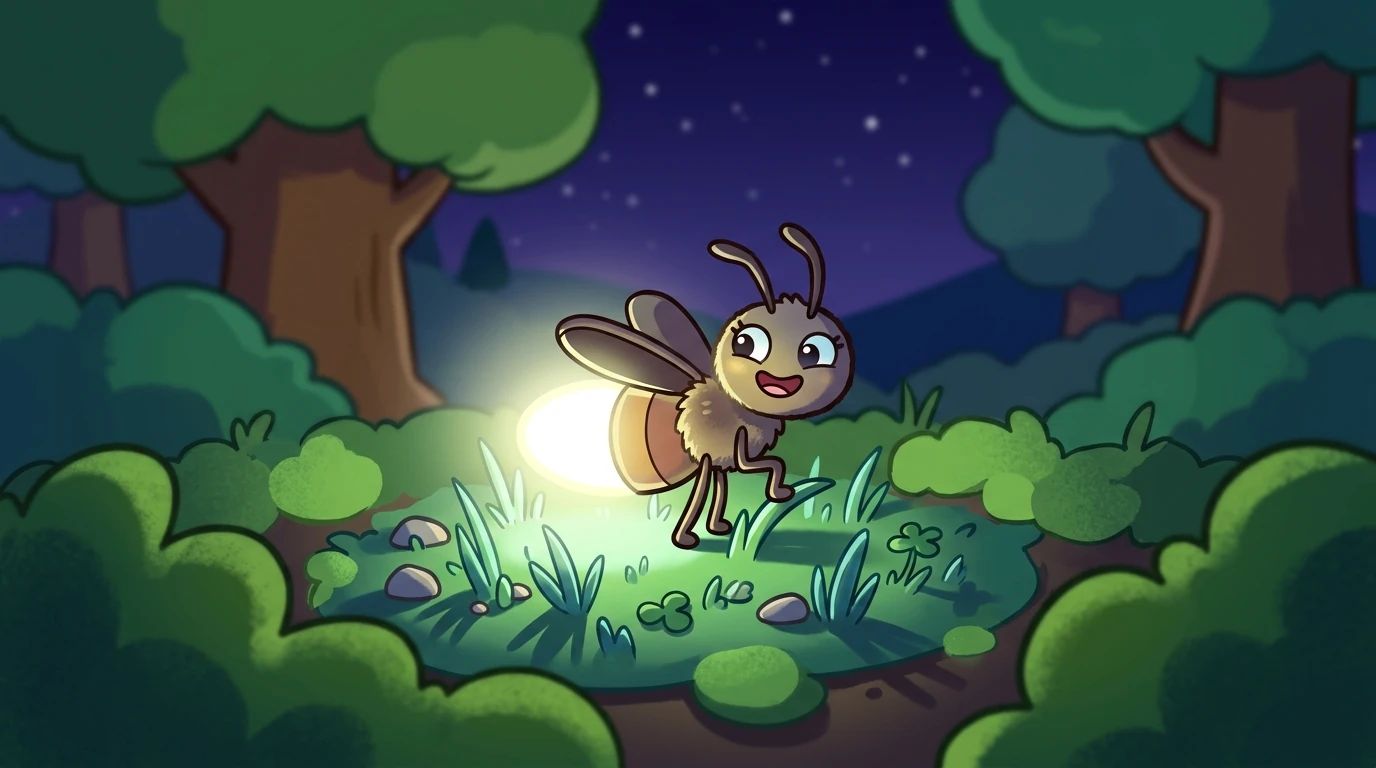
He read two lines out loud. "The feeling of being outside is nice." Spark's tail dimmed. The students saw it. They whispered "oh!" Pip read the next line: "The cool grass under my bare feet." Spark's tail flashed bright. The students saw that too. They gasped louder this time.
Pip said, "Clear words make Spark glow. Fuzzy words make her dim. The same thing happens in people's heads. They can picture clear words. They can't picture fuzzy words. Show them what you mean."
Spark nodded. Her voice was small but bright. She said: "Specific. Specific. Specific. Abstractions dim me. Images brighten me."
Students asked Pip if making clear pictures with words was hard. Pip quoted Spark. "It's not hard," he said. "It's just checking. For every line, ask: Can someone see this? If yes, it's a clear picture. If no, it's a fuzzy word. Change the fuzzy word. Add a clear picture instead. Then people's minds light up. Just like Spark's tail." And that, Pip tells them, is the feeling he chases every single time: the warm little jolt of joy when a listener suddenly sees what you saw, and you can tell — from their gasp, from their smile — that your picture landed right inside their heart.
The LyricForge ensemble
Spark is part of LyricForge's distributed-narrative cast. Each character embodies a different curricular primitive; together they teach the full subject.
-

Chime
Rhyme / vowel-echo — chickadee-tween whose listening-cupped wing catches and returns rhyming partners
-
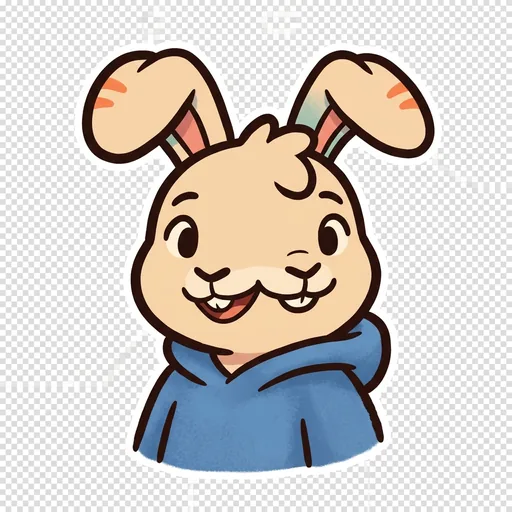
Step
Meter / cadence — rabbit-tween whose hop-rhythm enacts the stressed-syllable pattern
-
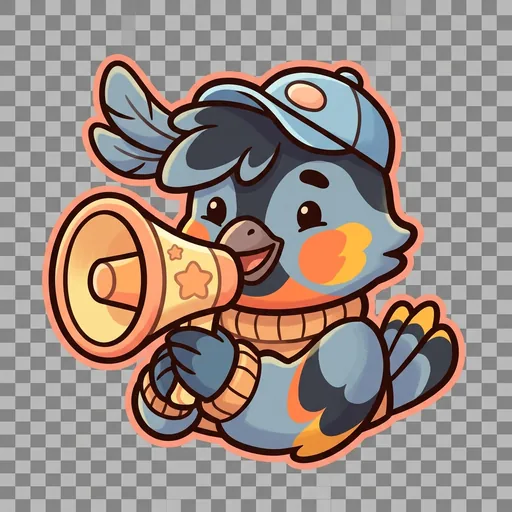
Holler
Hook / chorus anchor — bullfinch-tween with megaphone who picks ONE line and makes it sing-back-loud
-
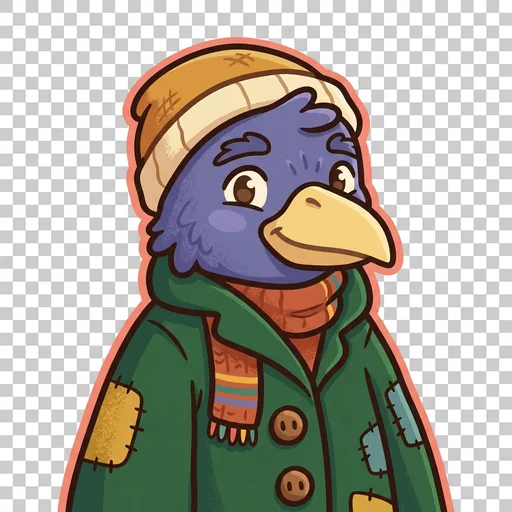
Turn
Bridge / off-the-path — crow-tween in a long traveling coat who walks the lyric into a new feeling and earns the return
-
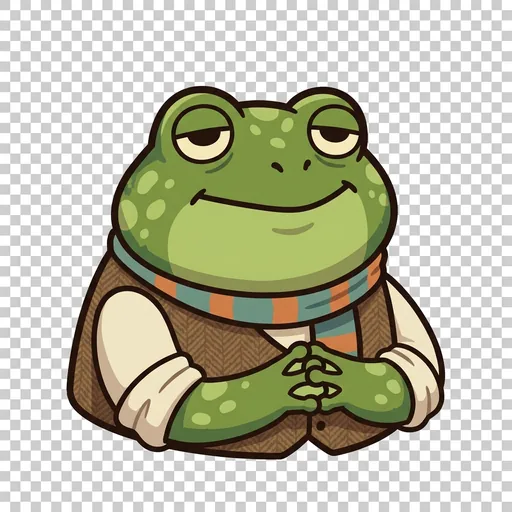
Groove
Rhythmic pocket — mellow toad who rides the beat just behind it; the same words can march or dance depending on where they sit against the groove
-

Zing
Wordplay — electric-blue dragonfly whose wings spark on a pun or double-meaning; clever-AND-true sparks, clever-for-its-own-sake falls flat
-
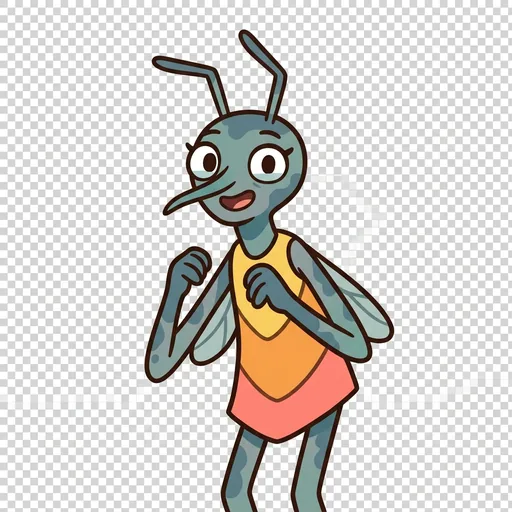
Lift
Pre-chorus build — long-legged crane-fly who rises onto her toes; the chorus only soars because she made you climb to it (the build is a promise the chorus keeps)
-

Belt
Singability — big-lunged frog with a wide-open throat; open vowels ring on long notes, tight consonant clusters strangle them (always sing it aloud)
-
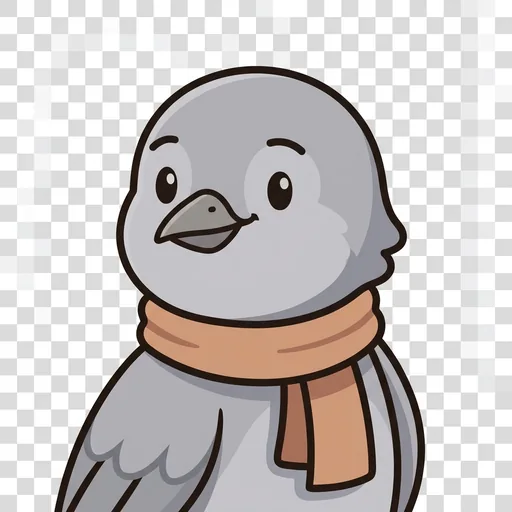
Croon
Sincerity — dove-grey nightingale who sings small true songs; all the other craft serves the one honest feeling underneath (one true feeling beats a hundred fake)