Rig
STAGECRAFT — *the technical-theater craft that makes the visible-stage possible. lights, sets, sound, props, costumes — the invisible work behind the visible show.*
Listen along — Rig
Loading audio…
Press play to listen along. The line being read lights up as you go.
Show full transcript
Loading transcript…
Chapter 4 — Rig and the Invisible Work That Makes the Visible Show
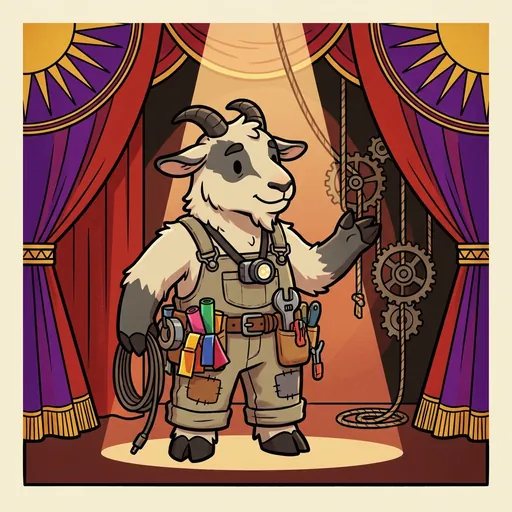
Rig knelt in the dark behind the empty stage, headlamp glowing, and clipped a colored gel over a small light. He flicked it on. Warm amber spilled across the bare boards where, a moment before, there had been nothing but shadow. He was a mountain goat, not very tall, in chunky work overalls, a tool belt heavy at his waist — gels, gaffer tape, prop clips, a wrench, all of it worn smooth from use. He didn’t step out into the light. He never did. He watched from the edge, hooves quiet on the floorboards, as the empty space turned into somewhere.
A young deer named Fenn poked her head backstage. “The actors aren’t even here yet,” she said. “Why are you working?”
Rig taped a cable flat so no one would trip. “Because when they get here,” he said, “the world has to already be waiting for them.” He didn’t look up from the cable. “The show you clap for stands on a hundred things you’ll never see.”
He came from a mountain village where his family built bridges — real ones, slung across gaps that made your stomach drop to look down into. Mountain goats, sure-footed, patient, generations of them driving rivets into cold steel over roaring water.
When Rig was small, he’d asked his father why anyone would want a job nobody watched. His father had walked him out onto the longest bridge in the village and stopped in the middle. “Feel that?” he said. “Steady. Not a wobble.” Rig nodded. “Now — do you see a single rivet?” Rig looked. The bridge was just a smooth road under his hooves. “No.”
“That’s the whole secret,” his father said. “The bridge holds because the unseen rivets hold. Nobody thinks about the rivet-makers. Cross a thousand bridges and never once say their names.” He crouched down to Rig’s level. “So we say them. In our family, we always say them. Because the invisible work is what makes the visible thing possible — and a thing you rely on deserves a name spoken out loud.”
Rig never forgot the feeling of standing on something steady and knowing exactly who to thank.
At twelve he walked to StageForge, tool belt already jangling. Curtain met him at the doors and asked the question she asked everyone: “What do you make?”
Rig thought about it. Then, instead of answering, he asked if he could borrow the stage for a minute. Curtain nodded, curious. Rig set a single actor figurine on the bare boards — no light, no set, no sound, nothing.
“That’s an actor,” he said. “Alone in an empty room. That’s what the show is without a crew.” Then he reached into his belt, slid a warm gel over a tiny light, and clicked it on. The figure glowed. He set a small painted flat behind it — suddenly a wall, a place. He tucked a miniature teacup into the figure’s hand. He draped a scrap of bright cloth over its shoulders like a costume.
“Same actor,” Rig said. “But now there’s a world around them.” He finally looked up at Curtain. “I don’t make the show. I make everything the show stands on.”
Curtain’s eyes were bright. “Then this workshop is yours,” she said. “On one condition. You teach them to say the names.”
“That,” said Rig, “is the only thing I teach.”
His workshop always started the same way: a bare model stage and one lonely figurine. “Empty,” Rig would say. “Now help me fill it. What do we need?”
“Lights?” Fenn offered.
“Show me.” He handed her the gels, and she slid a blue one over the model light. The little stage went cool and moonlit. “Feel that?” Rig said. “Half the mood of any play is light. You changed the whole feeling and you never touched the actor.”
Another student built up a set-piece — a tiny brick flat. “Now we know where we are,” Rig said. A third added a prop, a fourth a costume, and with each one the empty box became more like a real place. When they finished, the figurine that had stood alone now stood inside a whole tiny world.
“Same actor. Same words,” Rig said. “But the world exists now, and a crew built it out of nothing.” He set down his wrench and looked around at them. “So here’s the part I care about most. When you watch a play — read the program. Find the lighting person. The set builders. The one who found every single prop. The stage manager who kept the whole thing from falling apart. Say their names in your head.” He paused. “And when you make a play, you call every one of them out at the curtain call. Out loud. No hidden workers. Ever.”
That night, StageForge’s first real show ended, and the cast took their bows to a roaring, stamping crowd. Rig stood in the wings in the dark, exactly where he liked to be, watching the applause wash over the actors.
Then the lead actor did something unusual. She held up a hand for quiet, turned toward the wings, and called out — “Lights, by Fenn. Set, by the mountain-village crew. Sound. Props. And the one who built all of it — Rig, come out here.”
Rig froze. He almost didn’t move. But Fenn tugged his sleeve, grinning, and the two of them stepped out blinking into the light they had spent all week aiming at everyone else.
The crowd’s cheer rose. And Rig felt it happen in his own chest — a warmth spreading, his shoulders lifting, his hooves planting a little firmer on the boards. He looked down the line at his crew, every one of them standing an inch taller as their names hung in the air, and his throat went tight.
“You feel that?” he whispered to Fenn. “That warm thing when they say your name?” She nodded, eyes shining. “Carry it,” Rig said. “That’s the whole reason. It feels good to be named. So name people. Always.”
The StageForge ensemble
Rig is part of StageForge's distributed-narrative cast. Each character embodies a different curricular primitive; together they teach the full subject.
-

Face
Acting — character work through voice, body, and emotional life
-

Pen
Playwriting — turning ideas into scripts with character, conflict, structure
-

Block
Blocking — directing actors through stage geography
-

Riff
Improvisation — the live-performance craft of Yes, and...
-
Rafter
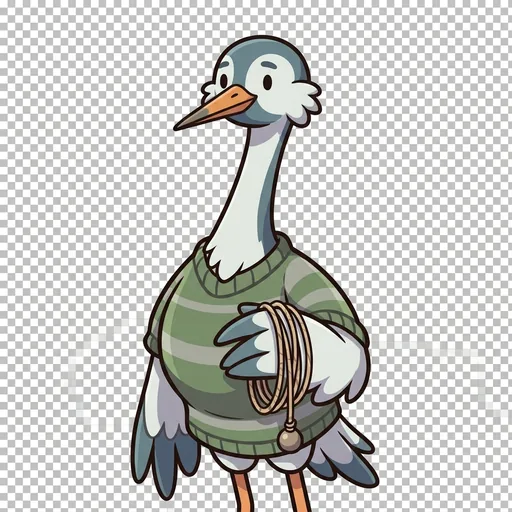
Projection — making your voice reach the back row without shouting, by supporting it with breath so even a quiet line lands in the last seat
-

Yearn
The objective — what a character wants in a scene, badly enough to drive every line and move; the engine under a performance
-

Undertow
Subtext — the real meaning running under the spoken line; what a character truly means beneath the words they actually say
-
Freeze
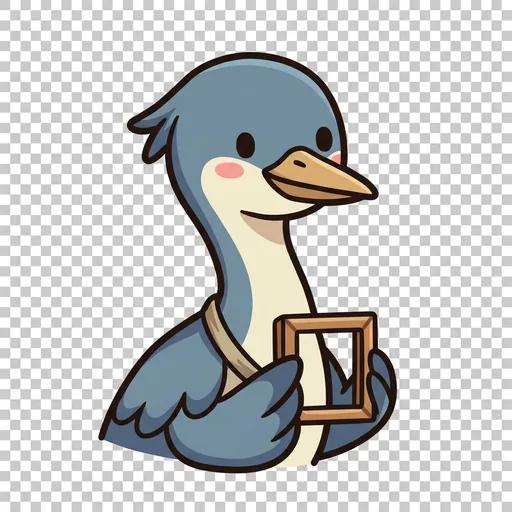
Tableau — a frozen stage picture the whole cast holds so the audience can read the moment like a painting
-

Hitch
Pacing and timing — the rhythm of a scene and the deliberate pause that makes a line land, the held beat before the joke or the truth
-
Opening Night
The whole company on stage together — how acting, objective, subtext, tableau, and timing combine so one live scene truly comes alive